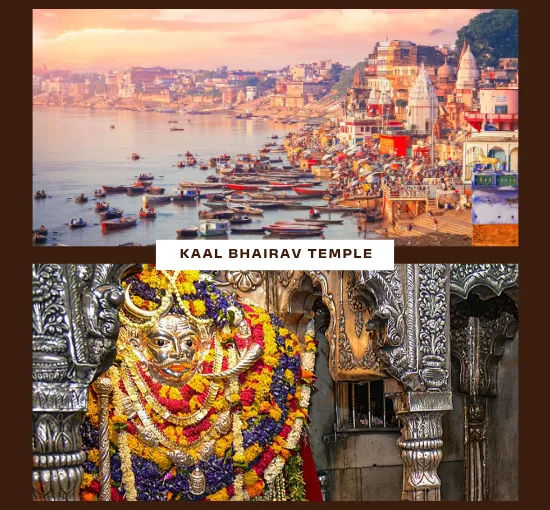

➡️ About Kaal Bhairav Temple, Varanasi
In the sacred city of Varanasi, Lord Kaal Bhairav is revered as the guardian deity and protector of the city. He is often referred to as the "Kotwal" or chief of police of Kashi, believed to maintain order and shield the holy land from evil forces. Devotees visit the famous Kaal Bhairav Temple to seek protection from negative energies, misfortunes, and unseen dangers.
This ancient temple, located about 3 kilometers from Varanasi Cantt in the northern part of the city, is deeply rooted in mythology. It is said that Lord Vishwanath (Shiva) appointed Kaal Bhairav as the guardian of Kashi, giving him the authority to punish wrongdoers. The temple is especially vibrant on Sundays and Tuesdays, when large crowds gather to offer their prayers. The sound of drums, bells, and damrus during the aarti creates a spiritually charged atmosphere.
Unlike traditional temples, offerings here include alcohol, paan, and sometimes meat—unique rituals that are believed to please the fierce deity. People also come seeking relief from spirits and evil influences, and children are given protective black threads to ward off fear. According to local belief, even the god of death must pass through Bhairav’s judgment before claiming a soul.
Temple Name Kaal Bhairav Temple, Varanasi
Visiting Hours: Every Day: Morning : 5:30 AM – 01:00 PM, Evening 3:00 AM – 10:30 PM
➡️ History of Kaal Bhairav Temple, Varanasi
The Kaal Bhairav Temple in Varanasi is one of the most ancient and powerful shrines in the city, dedicated to Lord Kaal Bhairav, a fierce and protective form of Lord Shiva. Located in the Vishweshwarganj area, the temple is deeply rooted in mythology and is mentioned in the Skanda Purana. According to legend, Kaal Bhairav was created by Shiva to destroy arrogance and protect dharma. He is known as the Kotwal (guardian) of Kashi, with the authority to punish wrongdoers and protect devotees from evil forces.
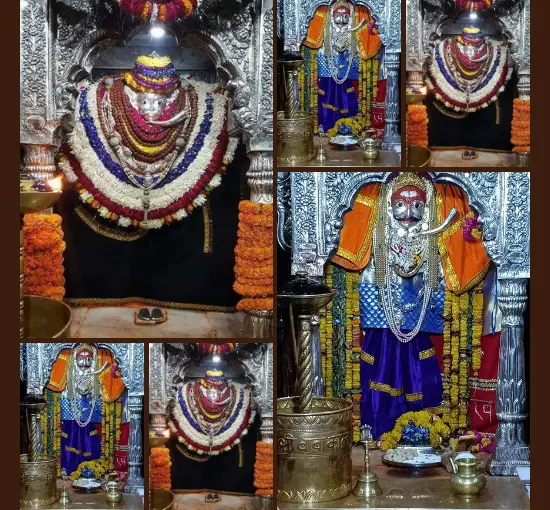
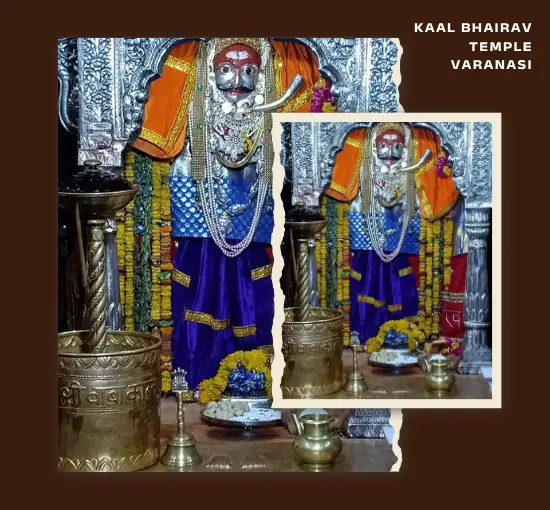
Inside the temple, only the silver-covered face of Lord Kaal Bhairav is visible, while the rest of the idol remains hidden. He is depicted seated on a dog and holding a trident. Devotees offer alcohol, paan, and black threads as symbols of devotion and protection. It is believed that even death cannot enter Kashi without the permission of Lord Kaal Bhairav.
➡️ PHOTO GALLERY
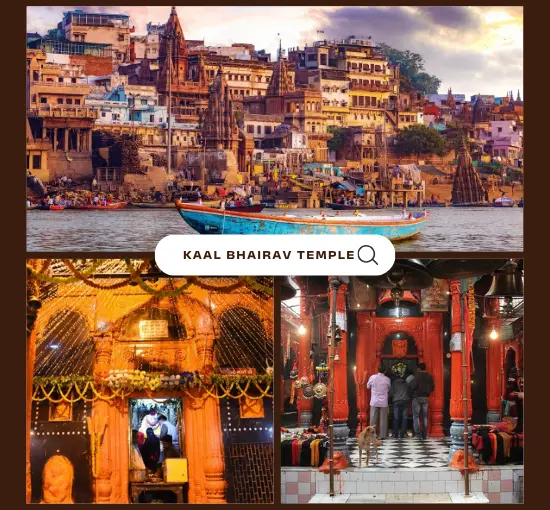
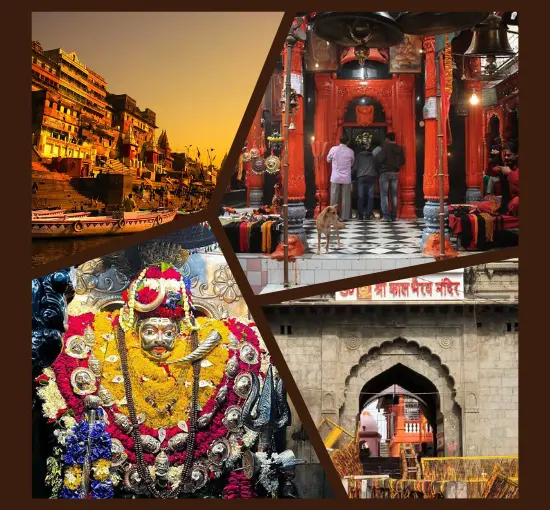
➡️ Why You Should Visit Kaal Bhairav Temple, Varanasi?
Visiting the Kaal Bhairav Temple in Varanasi is a spiritually enriching experience, deeply rooted in faith, tradition, and mysticism. Lord Kaal Bhairav, a fierce form of Lord Shiva, is worshipped here as the guardian of Kashi (Varanasi). He is believed to protect devotees from evil forces, black magic, and negative energies. Locals say that even death cannot enter the sacred city without his permission, highlighting his divine authority.
Unlike most temples, offerings here include alcohol, paan, and black threads—symbols of protection and devotion. Many people visit to seek relief from fear, illness, or spiritual disturbances. The temple's vibrant energy, especially during aarti, with the sounds of drums and bells, creates a powerful and moving atmosphere.
Children are often given protective black threads (gandas) to ward off fear and evil spirits. Whether you're a devotee or a traveler seeking deeper cultural insight, visiting the Kaal Bhairav Temple offers a unique glimpse into the mystical soul of Varanasi.
➡️ Location and How to Reach
The Kaal Bhairav Temple is located in the Vishweshwarganj area of Varanasi, approximately 3 km from Varanasi Cantonment Railway Station (Varanasi Cantt) and 2.5 km from the famous Kashi Vishwanath Temple.
How to Reach:
By Train:
- The nearest major railway station is Varanasi Cantt, which is about 3 km from the temple. From the station, you can take a taxi, auto-rickshaw, or a local bus to reach the temple.
By Road:
- The temple is easily accessible by road and is located around 3 km from the Varanasi Cantt railway station. You can hire a taxi, auto-rickshaw, or take a local bus to reach the temple.
By Air:
- The Lal Bahadur Shastri International Airport is around 25 km from the Kaal Bhairav Temple. From the airport, you can take a taxi or cab to the temple, which takes approximately 40-50 minutes depending on traffic.
📍 Address: Pandeypur Rd, Golghar, Naibasti, Varanasi, Uttar Pradesh 221002
Phone: +91-8953733792
Visiting Hours: Every Day: Morning : 5:30 AM – 01:00 PM, Evening 3:00 AM – 10:30 PM
📍 Find Us on Google Maps➡️ Some Tourists Review
“The Kaal Bhairav temple is a spiritually powerful place, but sadly, my experience was overshadowed by the behavior of one of the priest. He forcefully demanded money and even tried to emotionally blackmail us, threatening to curse if we …”–Sonal Pandey
"The divine presence, aura of Kaal Bhairav.The mandir had very good darshan but the way lines were forming were very problematic and this is not how you should maintain lines. …” -TSK Ritesh
“"It is located around 1.5 km from the Kashi Vishwanath nath temple. Located in a busy area therefore it is advisable to use public transport to reach here. Panda are providing entry from the backdoor by asking money. Lines are generally long …–Ankur Soni
“Huge crowds be careful while visiting with children or senior citizens.“– Ghatsila Tourism (Ani)
Visiting Kaal Bhairav Temple in Varanasi was an intense and spiritual experience. Known as the Kotwal of Kashi the deity here is believed to protect the city...❣️”–Ankur Rajak
“I visited Shri Kal Bhairav Mandir AKA Kashi ke Kotwal and felt a deep sense of spiritual energy as soon as I entered. The temple’s powerful aura and the devotion of the people around made the experience truly moving. The rituals and …”– Abhishek Bhatnagar
➡️ PHOTO GALLERY
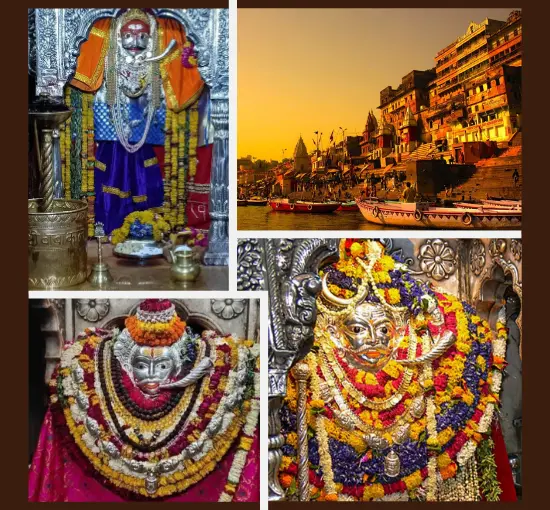
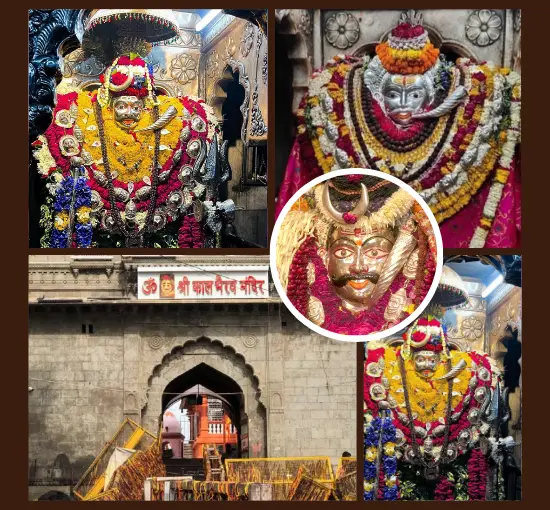
➡️ FREQUENTLY ASKED QUESTIONS
1. 2. Why is Kaal Bhairav Temple so famous?
The Kaal Bhairav Temple is famous for its mythological significance, unique rituals, and powerful energy. It is considered the guardian deity of Kashi (Varanasi), and Lord Kaal Bhairav is believed to protect the city from evil forces and maintain its sanctity. The temple is renowned for its unconventional offerings, including alcohol, paan, and sometimes meat. Additionally, the temple’s vibrant aarti ceremonies, accompanied by the sounds of drums, bells, and damru, create an intense spiritual atmosphere. The temple is also known for healing rituals, where devotees seek protection from spirits and black magic.
2. When is the best time to visit the temple?
The temple sees a large influx of devotees on Sundays and Tuesdays. The best time to visit is during the morning or evening aarti, when the atmosphere is charged with divine energy, and the sounds of drums, bells, and damru (small drum) create a powerful spiritual experience.
3. How far is Kaal Bhairav Temple from Varanasi Cantt Railway Station?
The temple is located about 3 km from Varanasi Cantt Railway Station, making it easily accessible by taxi or auto-rickshaw.
4. Can children visit Kaal Bhairav Temple?
Yes, children can visit the temple. It is a common practice to tie a protective black thread (ganda) around children’s wrists to shield them from fear and negative energies.
5. What are the special offerings at Kaal Bhairav Temple?
Unlike traditional temples, offerings at Kaal Bhairav Temple include alcohol, paan (betel leaf), and sometimes meat. These offerings are considered sacred and are part of the unique rituals practiced here.
➡️ Why is Kaal Bhairav Temple So Famous?
The Kaal Bhairav Temple in Varanasi is famous for several reasons, blending mythological significance, unique rituals, and the deep spiritual connection people have with it.
1. Guardian of Kashi: Lord Kaal Bhairav is considered the guardian deity of Varanasi (Kashi), the holiest city in Hinduism. He is believed to protect the city from evil forces, maintain order, and safeguard its sanctity. Devotees believe that even death cannot enter Kashi without the permission of Lord Kaal Bhairav. 2. Unique Offerings: The temple is famous for its unconventional offerings, including alcohol, paan (betel leaf), and sometimes meat. These offerings are believed to please Lord Kaal Bhairav and are an integral part of the temple's rituals. This sets the temple apart from traditional Hindu temples. 3. Powerful Aarti: The temple is known for its vibrant and intense aarti ceremonies, especially on Sundays and Tuesdays. The rhythmic sounds of drums, bells, and damru (small drum) during the aarti create a powerful spiritual atmosphere that attracts devotees from all over the world. 4. Mythological Significance: The temple holds immense mythological importance, as it is believed that Lord Shiva appointed Kaal Bhairav as the protector of Kashi. The temple is also associated with many powerful legends, making it a center of faith for both locals and pilgrims. 5. Spiritual Healing: The Kaal Bhairav Temple is known for its healing powers. Many devotees visit to seek relief from spiritual disturbances, black magic, and fear. People also come to the temple for protection, as well as for blessings for personal and family well-being